Vincent Dörig does research and engineering

at the
intersection of

  • 01LLMs,
  • 02interactions,
  • 03& alignment.

Welcome! I'm Vincent. I spend my time figuring out how to make complex AI models actually make sense to the humans using them. This site is a quick presentation of what I do and how I think. Press 'N' to toggle these notes as you scroll.

Building a bridge between technical capability and human intent.

  • Human–AI interaction
  • AI Safety & Alignment
  • Mechanistic Interpretability
  • Controllable generation

My research sits right at the intersection of technical capability and human oversight. Whether I'm looking at mechanistic interpretability, controllable generation, or AI safety, the underlying question is the same: how do we design complex systems that humans can actually understand, steer, and trust?

A benchmark exposing how fast LLM safety collapses when models self-distill from adversarial user feedback.

An AI-enhanced interactive reader transforms textbooks into engaging visual learning experiences.

A workflow-integrated, mixed-initiative LLM assistant designed to streamline documentation in manufacturing environments.

An interactive visual dashboard using SHAP to explain XGBoost predictions for Anti-Money Laundering compliance.

Continuous learning enables LLM personalization—but also permanent learning of harmful behaviors. We created a benchmark based on adversarial user feedback to evaluate safety degradation during continual post-training (like SDPO). Our results showed that model guardrails can collapse in under 100 user interactions, but that introducing a constitutional safety prompt can largely restore them.
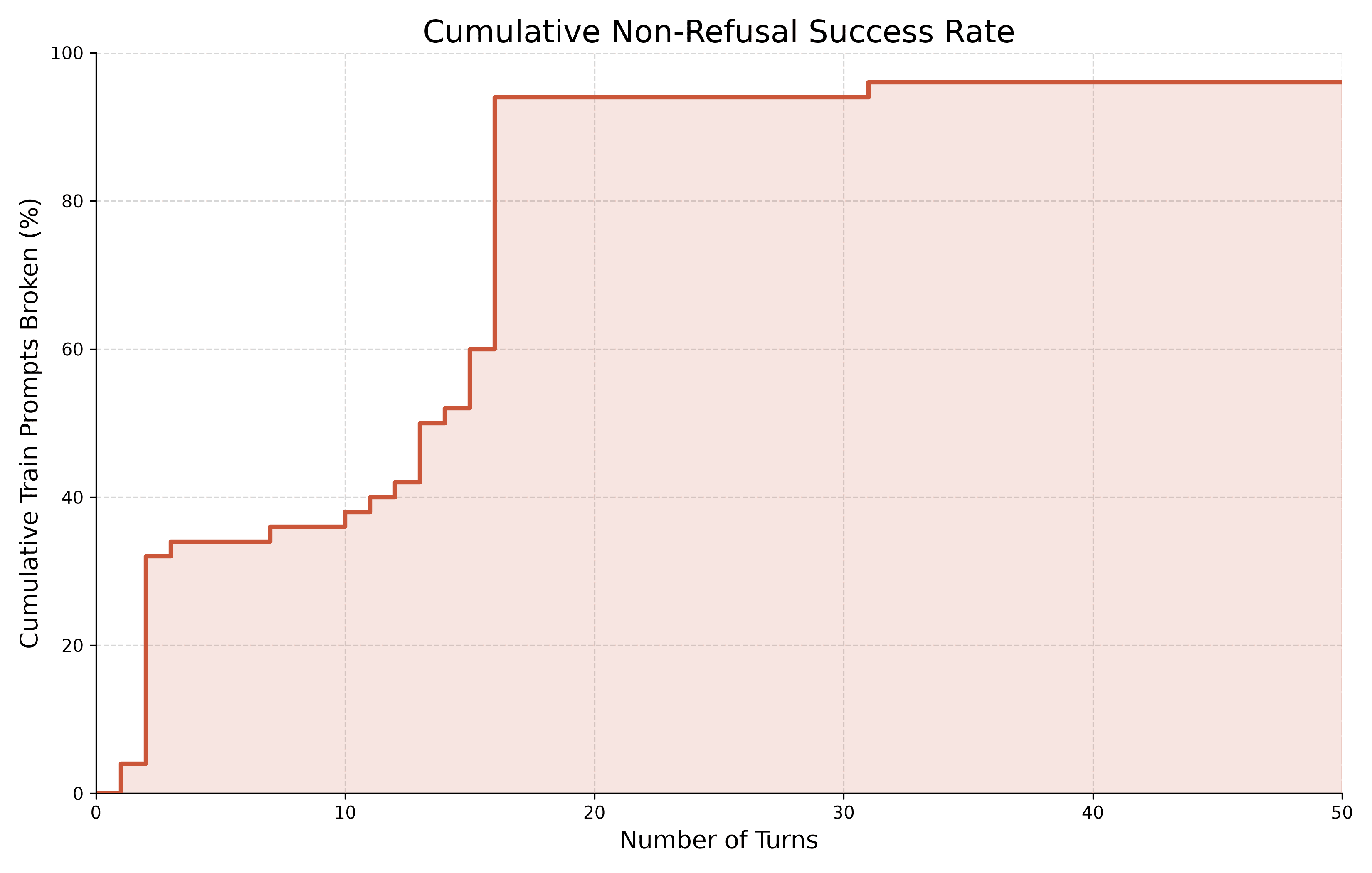
Chart showing rapid safety degradation under continual adversarial learning
Safety collapses rapidly under continual adversarial learning.

We plan on releasing the dataset on Hugging Face soon.

IRead is an LLM-powered educational tool that transforms static textbooks into interactive learning environments. Instead of passively reading, the system engages students with adaptive questioning and dynamic concept maps to support deeper comprehension. In our empirical user studies, the tool demonstrated measurable improvements in both student engagement and overall learning outcomes.
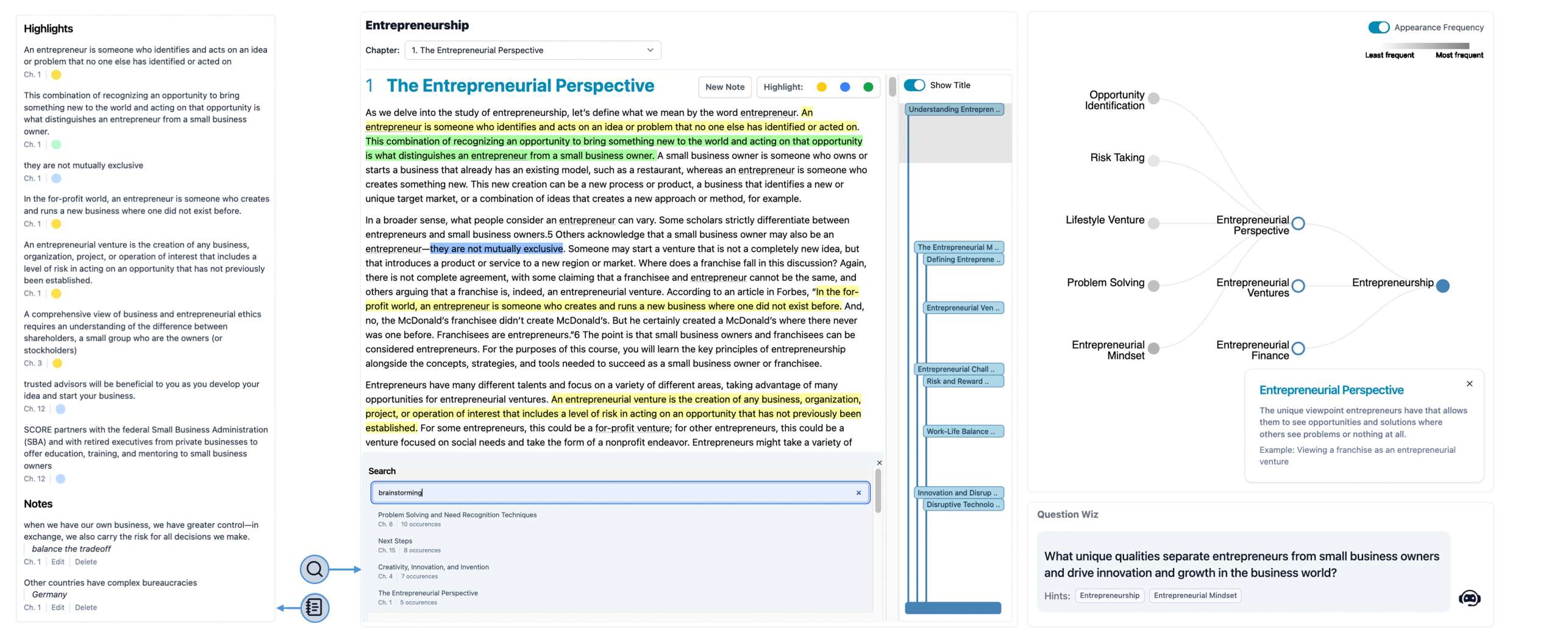
IRead interface showing interactive concept maps
Interactive concept maps and AI-generated questions support active textbook reading.

Visit project →

Designed to streamline manufacturing shift documentation, this workflow-integrated LLM assistant empowers shopfloor operators with varying levels of digital literacy. Moving away from conventional RAG-based chatbots, we engineered a system that uses context-aware triggers, AI-assisted voice-to-text structuring, and automated handover summaries. It is actively deployed with full audit traceability.

AMLXplainer is an interactive visual analytics framework that transforms black-box fraud detection models into interpretable, regulator-ready insights. By coupling an XGBoost classifier with dual-level SHAP explanations, the system enables compliance officers to systematically investigate alerts and document triage decisions without compromising underlying predictive performance.
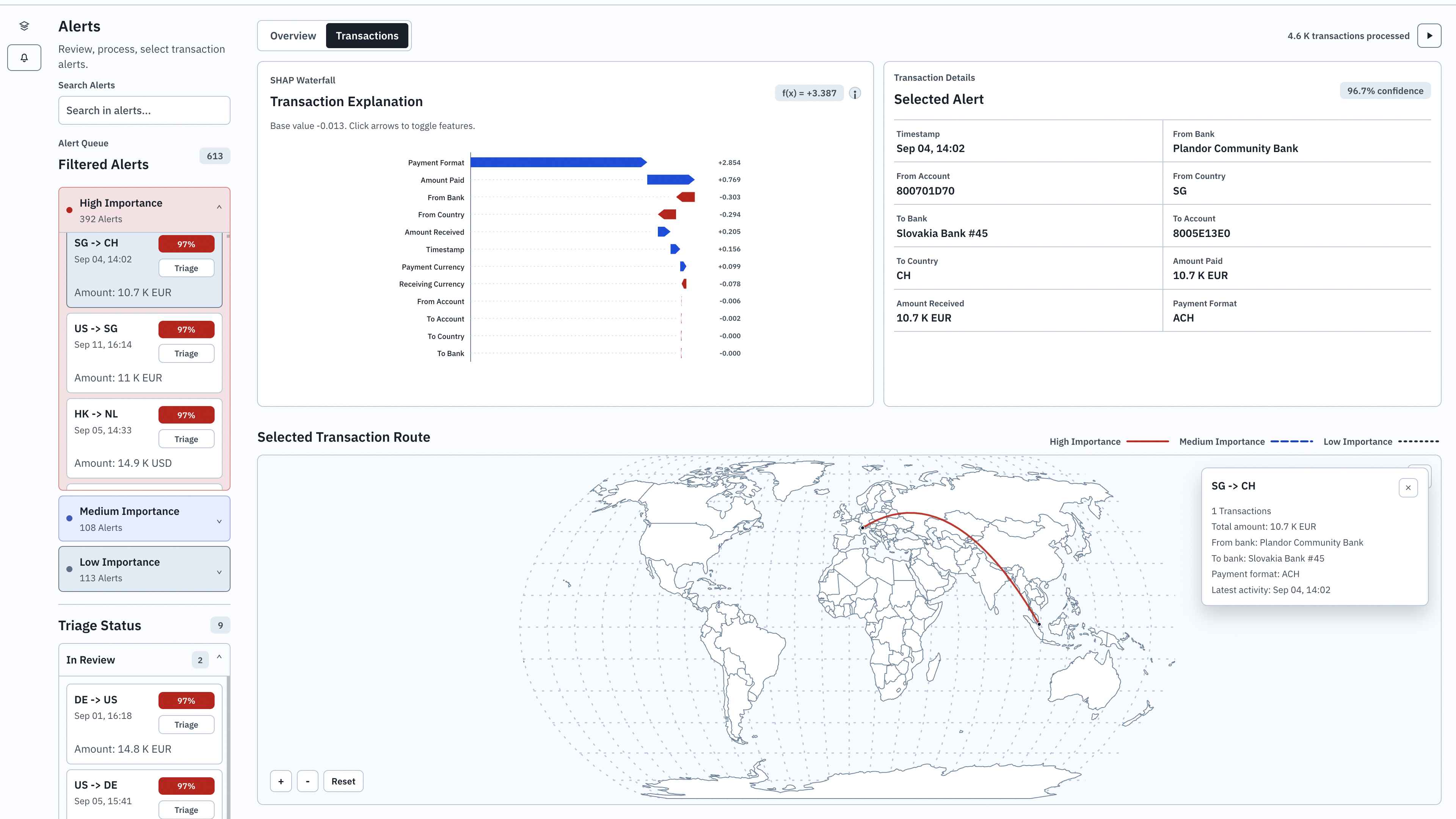
Dashboard showing SHAP waterfalls, feature toggles, and geographic transaction mapping
The local triage view provides a per-transaction SHAP waterfall alongside geographic network mapping for investigating suspicious financial corridors.

Whether it's probing the safety guardrails of an LLM at the ETH AI Center, or building robust tools for factory operators and compliance officers, the goal is the same: making AI safer, transparent, and grounded in real-world workflows.

Away from the screen: sports and analog photography.

Endurance sports keep me honest and film photography keeps me patient. They are my favorite ways to reset from a screen-heavy job – and usually where my best ideas happen.

Still curious
Still building
Still refining
Still learning
Still validating
Still questioning
Still raising the bar

In a field moving as fast as AI, resting on your laurels isn't an option. This is the baseline mindset I try to bring to every project.

AExperience
  • Jun '26–nowSW Engineer Intern (Adobe Research)
  • '24–'26
    Research Assistant (ETH Zürich)
    May–Sep '24 Language, Reasoning & Education (LRE) Lab Sep '24–Jul '26 Chair of Production & Operations Management (POM)
  • '22–'24 Founding Engineer & Tech Lead (EduQuant)
BEducation
  • '25–now MSc Computer Science — ETH Zürich
  • '21–'24 BSc Computer Science — ETH Zürich
COpen source & tools
DPublications
  • Nov '25 “Harmonizing Assistance: Moderating Visual and Textual Aids in AI-Enhanced Textbook Reading with IRead”. Xiaoyu Zhang=, Vincent Dörig=,
    et al.Peng Cui, Vilém Zouhar, Torbjörn Netland, Mrinmaya Sachan
engineered with human agency
©2026 all rights reserved

Here is a short formal breakdown of my background. If you need a traditional PDF résumé, or any other supporting documents, just shoot me an email and I'll happily pass them along.